
The Automatic Watch

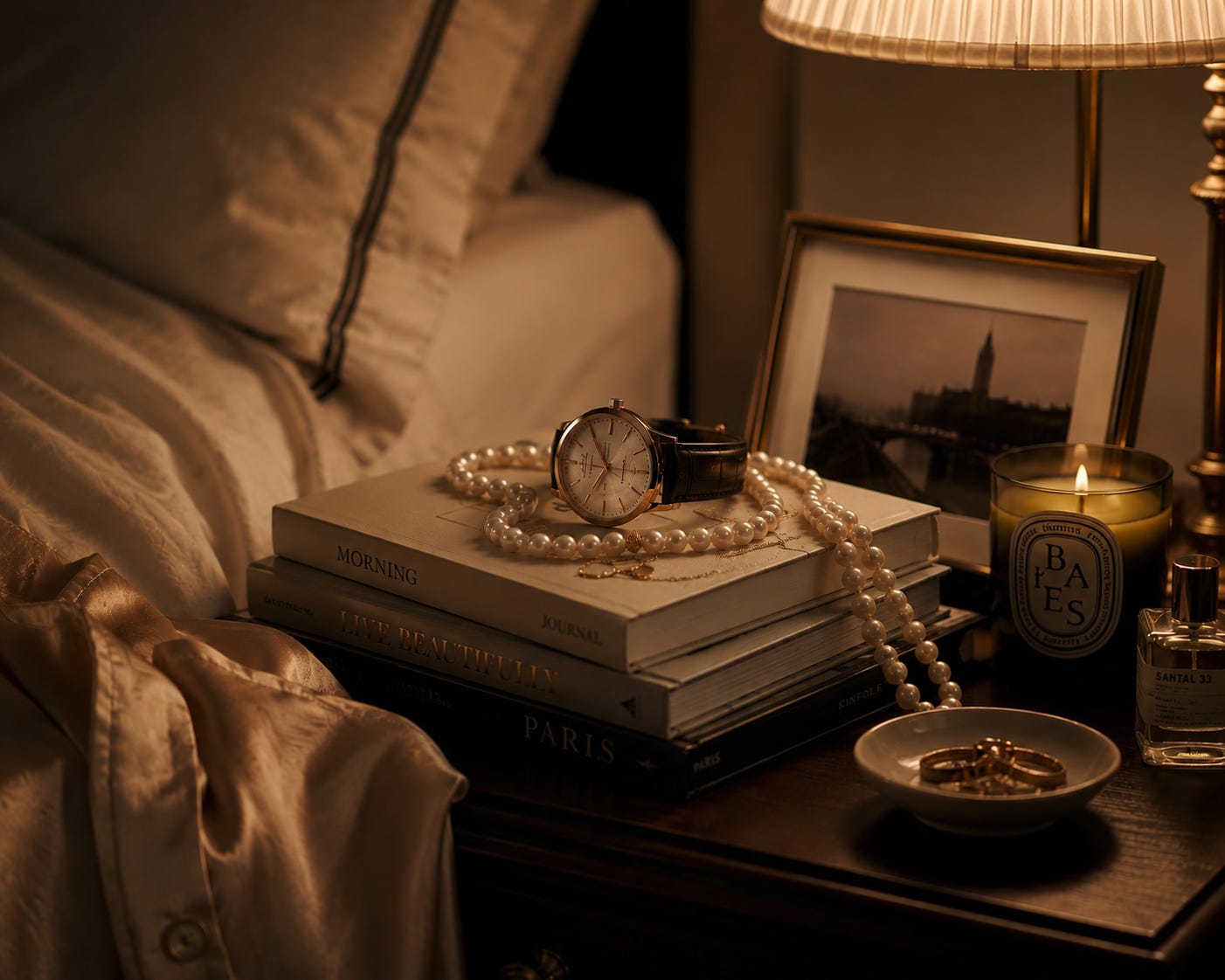
There is something strangely emotional about an automatic watch.
Not flashy watches.
Not the sort worn purely to announce tax brackets across a dinner table.
I mean a proper automatic watch.
The kind built slowly.
Patiently.
Hundreds of tiny moving components working together with such precision that it almost feels ignorant to call it an accessory.
Mine arrived in a dark wooden box that smelt faintly of leather and craftsmanship. Heavy in the hand. Cold at first touch. Beautiful in the restrained way truly well-made things often are.
And perhaps this is what fascinated me most:
it does not run on batteries.
It moves because you move.
The watch lives from motion.
From wear.
From presence.
From commitment.
If you leave it untouched for long enough, it stops.
Not dramatically.
Not all at once.
Quietly.
As though waiting.
And somehow that felt less like engineering and more like philosophy.
We live in a world obsessed with speed now.
Everything urgent.
Everything optimised.
Everyone available at all times but emotionally absent in most places.
People scroll through dinners.
Half-read conversations.
Listen while simultaneously reaching for their phones like addicts checking for emotional stock market updates.
Attention spans collapse by the hour.
And yet somewhere, in complete opposition to modern life, there are still craftsmen spending months perfecting the movement inside a watch most people will never fully understand.
Tiny gears.
Microscopic calibrations.
Mechanical precision developed over decades, sometimes centuries.
Human beings dedicating extraordinary amounts of time to something whose sole purpose is simply:
to keep time beautifully.
I find that comforting.
Perhaps because true craftsmanship always feels slightly rebellious in a culture addicted to convenience.
An automatic watch cannot be rushed.
It cannot be endlessly replicated without losing something of its soul.
It asks something of you in return.
Consistency.
Care.
Presence.
You have to wear it.
Return to it.
Choose it repeatedly.
Otherwise it sleeps.
There is something melancholy about that.
But also hopeful.
Because unlike many things in life, it begins again the moment you reconnect with it.
The movement returns.
The hands start turning.
Time continues.
I think people are often like this too.
We stop moving sometimes.
After heartbreak.
After exhaustion.
After disappointment.
After giving too much of ourselves to people, jobs, cities, or dreams that quietly drained us dry.
From the outside we may still appear functional.
But internally something delicate has paused.
And yet perhaps the most beautiful thing about human beings is our ability to begin again.
Sometimes all it takes is:
one conversation,
one opportunity,
one peaceful morning,
one moment of remembering who you were before the world interrupted you.
Then suddenly:
movement returns.
The older I get, the more I admire things built to last.
Not because they are expensive.
But because longevity requires intention.
A well-made watch.
A tailored coat.
A beautifully bound book.
A marriage that survives difficult seasons.
A calm mind.
A good reputation.
A meaningful life.
None of these happen accidentally.
They are built slowly.
Maintained carefully.
Chosen repeatedly.
That, to me, is luxury now.
Not excess.
Not endless accumulation.
Just craftsmanship.
Precision.
Presence.
And perhaps most importantly:
the discipline to remain devoted to what matters in a world designed to distract you from yourself.
My watch now sits quietly beside my bed each evening, ticking away with a calm confidence I suspect most of us are searching for.
Reliable.
Grounded.
Unconcerned with trends.
A small mechanical reminder that beautiful things still require care, patience, and commitment to stay alive.
Including ourselves.